
Louisville, KY
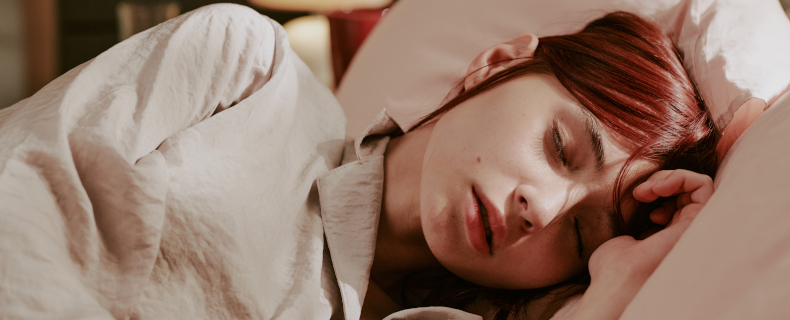
Waking up with a sore jaw, tight facial muscles, or a dull headache is not something to ignore. These symptoms often point to an underlying condition known as bruxism, or nighttime teeth grinding and clenching.
Over time, this repetitive pressure can place significant strain on your jaw joints and contribute to TMJ (temporomandibular joint) disorder, affecting comfort, function, and overall Oral Health.
At Exceptional Dentistry, we regularly help patients identify the causes of grinding and provide solutions that protect both teeth and jaw health.
How Bruxism Affects Your Jaw and Teeth
During sleep, individuals with bruxism can exert extremely high pressure through clenching and grinding—far more than what occurs during normal chewing.
This ongoing force may lead to:
- Tooth enamel wear and erosion
- Chipped or fractured teeth
- Jaw muscle fatigue and soreness
- Morning headaches or facial pain
- Increased risk of TMJ disorder
The TMJ connects your jawbone to your skull, allowing you to chew, speak, and move your jaw comfortably. When this joint is under constant strain, inflammation and dysfunction can develop.
Signs You May Be Grinding Your Teeth at Night
Because bruxism often occurs during sleep, many people are unaware of it until symptoms appear. Common warning signs include:
- Jaw soreness upon waking
- Headaches, especially in the morning
- Worn, flattened, or sensitive teeth
- Clicking or popping sounds in the jaw
- Tooth fractures or unexplained dental wear
- Disrupted sleep or facial tension
If these symptoms are consistent, it may indicate ongoing nighttime grinding or clenching.
Common Causes of Bruxism
Bruxism can develop for several reasons, and often more than one factor is involved.
Common contributors include:
- Stress and anxiety
- Sleep disturbances
- Misaligned bite or teeth positioning
- Certain medications
- Excess caffeine or stimulant intake
- Underlying sleep disorders, including sleep apnea
Identifying the cause is an important step in creating an effective treatment plan.
Connection Between Bruxism and TMJ Disorder
Chronic grinding places continuous stress on the TMJ, which can lead to inflammation and dysfunction.
Over time, this may result in TMJ disorder symptoms such as:
- Jaw pain or tightness
- Difficulty opening or closing the mouth
- Clicking, popping, or locking sensations
- Pain that spreads to the neck or temples
Early intervention can help reduce strain and prevent long-term joint damage.
Treatment Options for Teeth Grinding and TMJ Issues
At Exceptional Dentistry, treatment is tailored to each patient’s needs and symptoms.
Common solutions may include:
Custom Night Guards
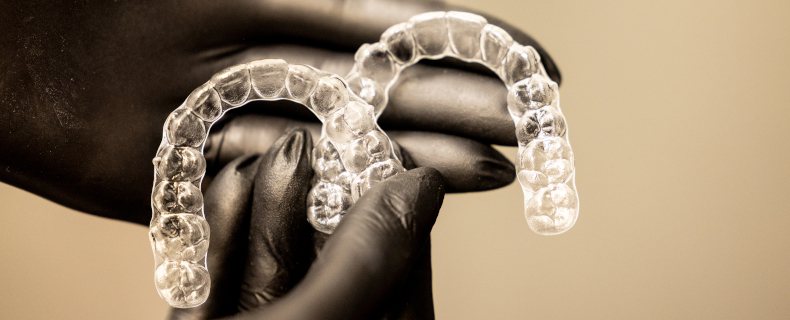
A custom-fitted night guard helps protect teeth from grinding forces and reduces stress on the jaw joint while sleeping.
TMJ Therapy
Targeted therapies may be recommended to relieve muscle tension, reduce inflammation, and improve jaw function.
Lifestyle and Habit Guidance
Since stress and daily habits often contribute to bruxism, recommendations may include relaxation techniques, sleep hygiene improvements, and dietary adjustments.
Each treatment plan is designed to address both symptoms and underlying causes.
Why Early Treatment Matters
Ignoring bruxism can lead to progressive dental and jaw complications, including:
- Increased tooth damage
- Worsening TMJ dysfunction
- Chronic headaches or facial pain
- Higher risk of restorative dental work
Early diagnosis and management help preserve both comfort and long-term Oral Health.
Help for Bruxism and TMJ at Exceptional Dentistry
If you suspect nighttime teeth grinding or are experiencing jaw discomfort, professional evaluation can help identify the cause and prevent further damage.
Exceptional Dentistry
415 Benjamin Ln
Louisville, KY 40222
Phone: (502) 423-7868
Contact Exceptional Dentistry today to schedule a consultation and learn more about personalized TMJ and bruxism treatment options designed to protect your smile and support lasting jaw health.


Book Your Consultation
We are excited you found us and we hope you will take the first step to join our family.