

Louisville, KY
Hearing a clicking or popping sound in your jaw might not seem like a big deal—especially if there’s no pain. However, these early TMJ symptoms can be a warning sign of a deeper issue. What starts as a minor annoyance can gradually develop into more serious problems if left untreated.
At Exceptional Dentistry in Louisville, KY, we help patients understand what jaw popping really means and how early treatment can prevent long-term complications.
Why Your Jaw Makes Popping or Clicking Sounds
Jaw popping is commonly associated with TMJ disorder (TMJD), a condition affecting the temporomandibular joint. This joint acts like a hinge connecting your lower jaw to your skull, allowing smooth movement for speaking, chewing, and yawning.
Inside the joint is a small cushioning disc that helps the bones move properly.
When this disc becomes displaced or the surrounding ligaments are weakened, it can cause:
- Clicking or popping when opening or closing the mouth
- A sensation of the jaw shifting out of place
- Occasional discomfort or tightness
In early stages, the disc may move back into position, which is why you hear the sound without constant pain.
When Jaw Popping Becomes a Bigger Problem
As TMJ dysfunction progresses, the condition can worsen if not addressed.
In more advanced cases:
- The cushioning disc may become damaged or worn down
- Bone-on-bone contact can occur
- A grinding or “sandpaper” sound (crepitus) may develop
- Inflammation and pain may increase
Over time, this can lead to joint degeneration and conditions like osteoarthritis affecting the TMJ.
Is Jaw Popping Ever “Normal”?
Many people are told that jaw clicking without pain is nothing to worry about—but that’s not always the case.
Even painless popping can indicate:
- Jaw misalignment
- Early-stage TMJ disorder
- Increased stress on the joint
Ignoring these signs is similar to overlooking other dental issues that don’t hurt right away. Addressing the problem early can prevent more complex and painful conditions later.
The Real Cause Behind TMJ Sounds
Jaw popping is often the result of an imbalance between the upper and lower jaw. When the bite is not properly aligned, the joint and surrounding muscles must compensate.
This imbalance can affect not only the jaw but also the neck, shoulders, and overall posture. That’s why TMJ dysfunction is often part of a larger condition involving the head and neck system.
Treatment Options for TMJ Symptoms
At Exceptional Dentistry, treatment focuses on correcting the underlying cause—not just managing symptoms.
Comprehensive Evaluation
We assess jaw alignment, bite function, and muscle activity to determine the source of the problem.
Non-Invasive Solutions
Most patients benefit from conservative treatments such as:
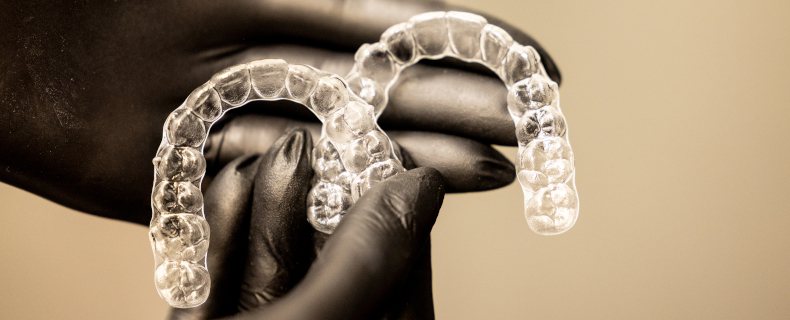
- Custom TMJ orthotics to stabilize the jaw
- Muscle relaxation therapies
- Bite adjustments to improve alignment
Long-Term Care
For lasting results, treatment plans may include orthodontic or restorative solutions to maintain proper jaw positioning and function.
Early intervention often helps patients avoid more invasive procedures, including surgery.
Why Early TMJ Treatment Matters
Ignoring jaw popping can allow the condition to progress, leading to:
- Chronic jaw pain
- Difficulty chewing or speaking
- Headaches and neck tension
- Joint degeneration over time
Addressing symptoms early helps protect your long-term oral health and overall well-being.
TMJ Treatment in Louisville, KY
If you’re noticing jaw clicking, popping, or discomfort, it’s important to take action before symptoms worsen.
At Exceptional Dentistry, we provide personalized TMJ treatment designed to restore balance, relieve discomfort, and prevent future complications.
Visit Us:
415 Benjamin Ln
Louisville, KY 40222
Call Today:
(888) 918-3336
Don’t ignore the signs—early care can make all the difference in protecting your smile and your comfort.


Book Your Consultation
We are excited you found us and we hope you will take the first step to join our family.