

Louisville, KY
Temporomandibular Dysfunction (TMD) affects more than just the jaw—it can impact the muscles of the face, neck, and even those involved in breathing and ear function. Because symptoms often start subtly, many people overlook the early signs until discomfort becomes more severe.
At Exceptional Dentistry in Louisville, KY, early diagnosis and treatment of TMD are key to preventing long-term pain and restoring proper function.
What Is TMD?
TMD refers to a group of conditions affecting the temporomandibular joint (TMJ), which connects your lower jaw to your skull. This joint is essential for everyday activities like chewing, speaking, and yawning.
When the TMJ is not functioning properly, it can lead to pain, limited movement, and muscle tension throughout the head and neck. Identifying symptoms early allows for more effective, less invasive treatment.
Common Early Symptoms of TMD
TMD often begins with mild or inconsistent symptoms that gradually worsen over time. Recognizing these early warning signs can make a significant difference in treatment outcomes.
Jaw Clicking or Popping
Occasional, painless clicking or popping in the jaw may seem harmless, but it can be one of the first indicators of joint dysfunction. Left untreated, it may progress into pain or restricted movement.
Jaw Pain or Tenderness
Discomfort around the jaw—especially when chewing or speaking—can signal inflammation or strain within the joint and surrounding muscles.
Headaches and Migraines
Frequent headaches, particularly around the temples or forehead, are one of the most common symptoms associated with TMD. Muscle tension in the jaw and neck often contributes to this pain.
Ear Pain or Ringing (Tinnitus)
Unexplained ear discomfort or ringing may be linked to the TMJ due to its close proximity to the ear canal and shared nerve pathways.
Facial Discomfort
Pain in the cheeks, temples, or along the jawline can occur intermittently or persist throughout the day, often worsening with jaw movement.
Neck and Shoulder Tension
Because the jaw, neck, and upper back are interconnected, TMD can lead to tightness and soreness beyond the face.
Difficulty Chewing or Limited Jaw Movement
If opening your mouth wide or chewing feels uncomfortable or restricted, it may indicate joint or muscle dysfunction.
What Causes TMD?
Several factors can contribute to the development of TMD. Understanding these can help with both prevention and treatment.
- Jaw Misalignment: An uneven bite places stress on the TMJ
- Teeth Grinding or Clenching: Often linked to stress, this overworks jaw muscles
- Joint Issues or Arthritis: Degeneration or inflammation can affect joint function
- Injury or Trauma: Damage to the jaw or head can disrupt alignment
- Poor Posture: Forward head posture increases strain on the jaw and neck
- Genetics: Some individuals are more prone to joint dysfunction
- Related Conditions: Issues like sleep apnea or chronic pain can worsen symptoms
How TMD Is Diagnosed
A proper diagnosis involves more than just a visual exam. At Exceptional Dentistry, a comprehensive evaluation looks at how your jaw, muscles, and bite work together.
What to Expect During an Evaluation
- Review of symptoms and medical history
- Examination of jaw movement and muscle tension
- Assessment of bite alignment
Advanced Diagnostic Technology
To better understand the root cause, advanced tools may be used, such as:
- Electromyography (EMG) to measure muscle activity
- ULF-TENS therapy to relax muscles and determine optimal jaw position
- Computerized jaw tracking to analyze movement patterns
- Bite force analysis to detect imbalances
- 3D imaging and cone beam CT scans for detailed visualization
These tools allow for precise, personalized treatment planning.
Effective Treatment Options for TMD
Managing TMD successfully requires addressing the underlying cause—not just the symptoms.
Neuromuscular Dentistry
This approach focuses on aligning the jaw into a natural, balanced position to reduce strain and improve function.
Non-Invasive Therapies
Treatments may include:
- Physical therapy
- Posture correction
- Muscle relaxation techniques
Phase 1 Treatment (Initial Relief)
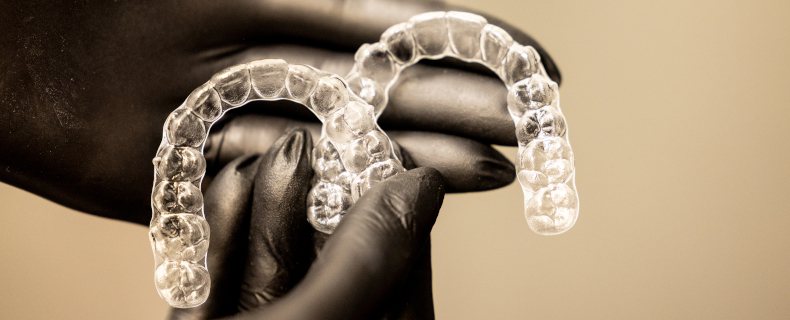
A custom orthotic appliance may be used to stabilize the jaw, relieve tension, and allow muscles to heal.
Phase 2 Treatment (Long-Term Stability)
Once symptoms improve, long-term solutions may include orthodontics or restorative treatments to maintain proper alignment and function.
Simple At-Home Tips for Managing TMD
In addition to professional care, daily habits can help reduce symptoms and prevent progression.
- Practice stress management techniques like meditation or deep breathing
- Maintain proper posture, especially when using screens
- Perform gentle jaw exercises as recommended
- Avoid hard or chewy foods
- Limit extreme jaw movements
- Keep up with regular dental check-ups
TMD Treatment in Louisville, KY
Catching the early signs of TMD can prevent more serious complications and significantly improve your quality of life. If you’re experiencing jaw discomfort, headaches, or unexplained ear symptoms, it may be time for a professional evaluation.
At Exceptional Dentistry, patients receive comprehensive, personalized care designed to restore balance and relieve pain.
Visit Us:
415 Benjamin Ln
Louisville, KY 40222
Call Today:
(888) 918-3336
Don’t ignore the early warning signs—taking action now can help you avoid long-term discomfort and get back to feeling your best.


Book Your Consultation
We are excited you found us and we hope you will take the first step to join our family.